

The image of a teacher pacing between desks, reciting a passage while students frantically scribble, feels like a relic of a bygone era. In the

For decades, the United Kingdom has been marketed as the “ultimate classroom” for English learners. As the birthplace of the language, it offers a prestige

The rise of digital communication has transformed the educational landscape, but for learners with learning difficulties (LD), such as dyslexia, ADHD, or auditory processing disorders,
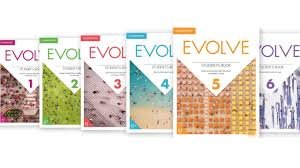
The Evolve series, published by Cambridge University Press, has established itself as a prominent six-level American English course designed to move students from beginner (A1) to advanced (C1)
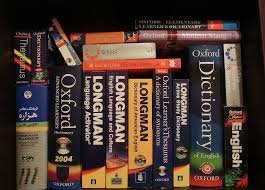
The quest for the “best” dictionary is a bit like searching for the best pair of shoes: the answer depends entirely on where you are
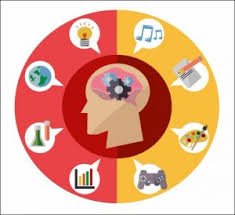
The journey of academic research is often framed as a disciplined march toward a contribution to knowledge. Yet, for the individual researcher standing at the

Walt Whitman didn’t just write poetry; he constructed a blueprint for an American identity that was, in his time, purely aspirational. When he published Leaves of

Whether technical English—the specialized language used in engineering, medicine, IT, and business—should be taught in schools or acquired on the job is a central debate

William Shakespeare is a name that resonates through the corridors of history, a figure whose influence on literature and the English language is unparalleled. Often

The traditional language classroom—characterized by rigid rows of desks, a central chalkboard, and heavy, static textbooks—is undergoing a profound metamorphosis. For decades, language acquisition relied
